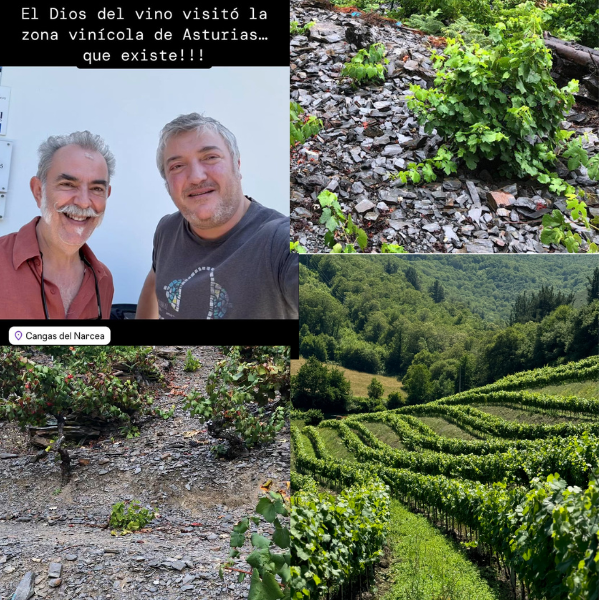
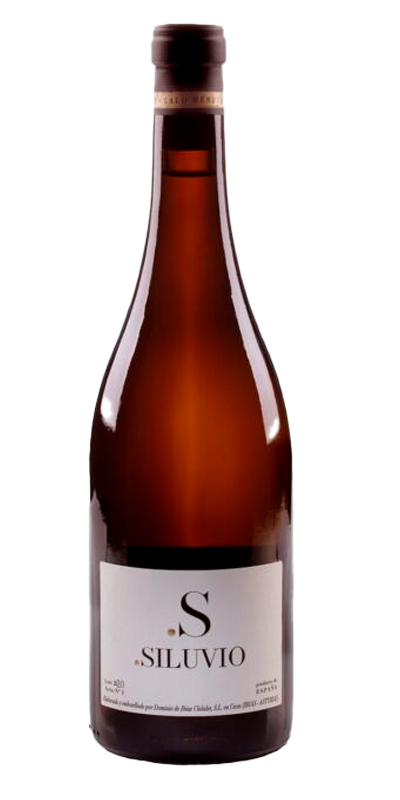
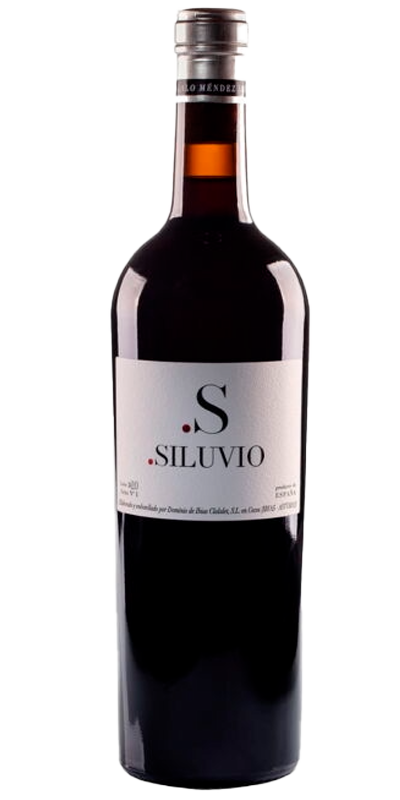
Siluvio Bodegas y Viñedos de Ibias is a family winery located in the most southwestern area of Asturias, Spain.
It is renowned for making unique and personal wines in a mountainous environment of heroic viticulture and Cantabrian-Atlantic influences.
The vineyards are located in a mountainous landscape at a considerable altitude, which gives its wines special characteristics due to the particular climatic and geographical conditions of the area.
Although this influential American critic, considered one of the most important in the world, has now retired, his prestigious specialized publication,**’Robert Parker’s Wine Advocate’** or simply **’The Wine Advocate’**, is still in operation. This renowned magazine is now part of the French Michelin group.
Wine critic Luis Gutiérrez has published an extensive report on the wine culture of Asturias, where he acts as the reference in Spain for the team once led by Robert M. Parker.
In his article, Gutiérrez analyzes the particularities of the region, the grape varieties, and the production methods of the eight wineries that are part of the Vino de Cangas Protected Designation of Origin, located in Cangas del Narcea (six wineries) and Ibias (two wineries). He also evaluates the wines he tasted, some of which are not registered under the Regulatory Council. During his visit, he tasted 42 wines, both white and red, awarding them scores ranging between 91 and 93 points, highlighting their quality at all levels.
“We are very excited to have obtained such good scores,” says Lalo Méndez, owner of Siluvio Bodegas y Viñedos in Ibias.
Asturias tiene presencia en el radar de Robert M. Parker.
Visit the Store
Explore the collection of bottles that Siluvio has for you.
The influence of the Cantabrian-Atlantic climate, with mild summers and wet winters, brings freshness and acidity to the grapes, resulting in fresh wines with acidity, long-lived wines very different from what is available in the general market.
A variety of white and red wines are produced that reflect the unique character of the region. The whites are usually fresh and aromatic, with citrus, menthol and floral notes, while the reds are subtle, elegant, spicy, expressive, fruity and well-balanced. The vineyards are cultivated in a manual and artisanal way, respecting the environment and the biodiversity of the area. They use traditional methods combined with modern techniques to guarantee the maximum personality in each bottle.
Our unique and autochthonous varieties
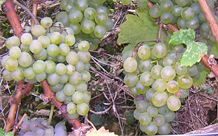
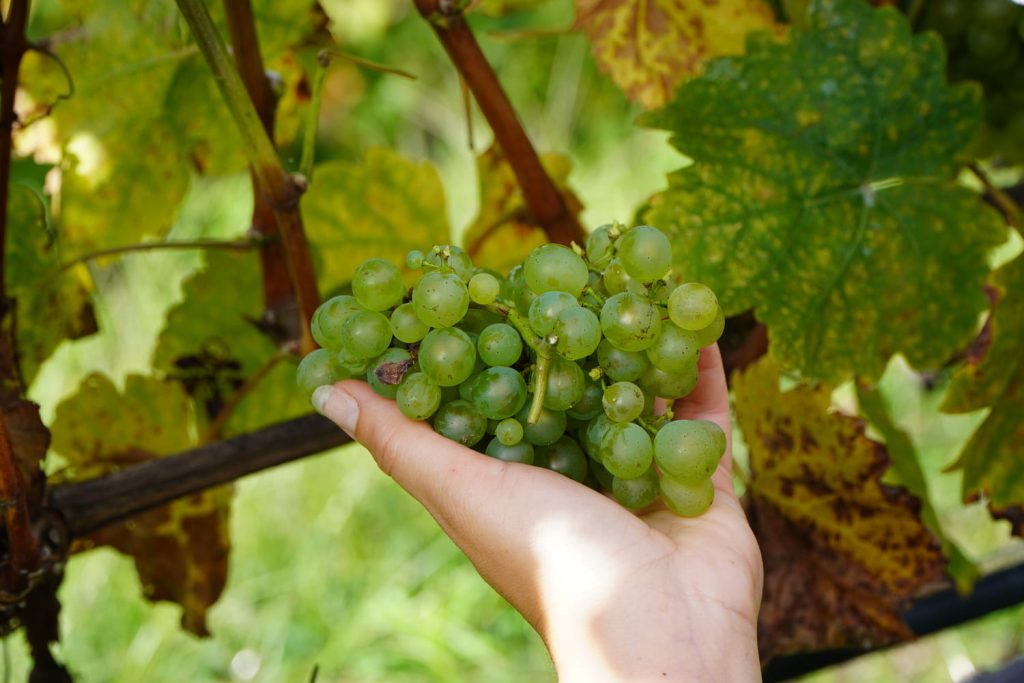
80% of our plantation is white albarín, a native and local variety discovered and registered for the first time in Asturias.
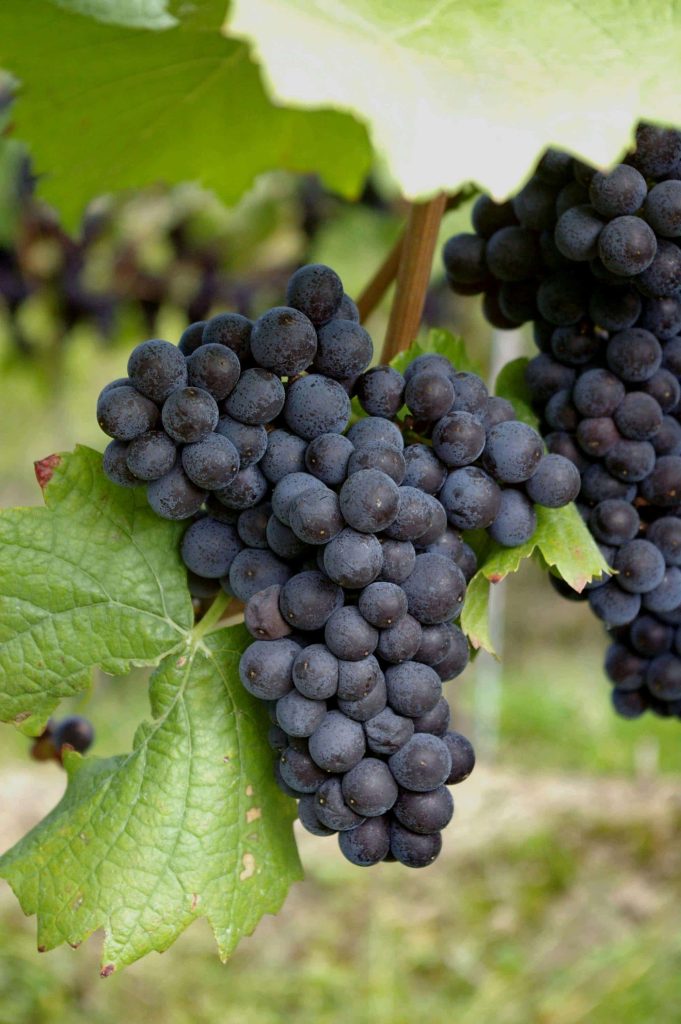
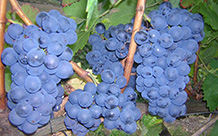
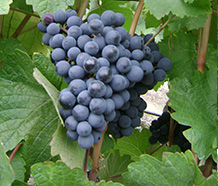
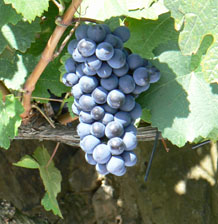
The remaining 20% is red also from local varieties. Carrasquín, verdejo negro and albarín negro are the three red varieties that are best adapted to the area and make up our vineyard.
White apricot
Fresh and fruity wine, with citrus, floral and mineral notes. Its balanced acidity makes it an ideal choice for seafood and fish, typical of the Galician region of Rías Baixas.
Black apricot
A red variant of the famous white Albariño, it presents flavors of black fruits such as blackberries and plums, along with a more robust body. Its profile makes it an interesting and complex alternative for lovers of traditional Albariño.l.
Carrasquín
Native grape with a fresh and fruity profile, characterized by its vibrant acidity and ability to produce elegant wines. It is rare, but its potential for high quality wines is growing in Asturias viticulture.
Verdejo negro
A very peculiar red grape variety, which stands out for its notes of red fruits, such as cherries and strawberries, accompanied by a spicy touch. Despite being less known, it produces smooth and well-structured wines.
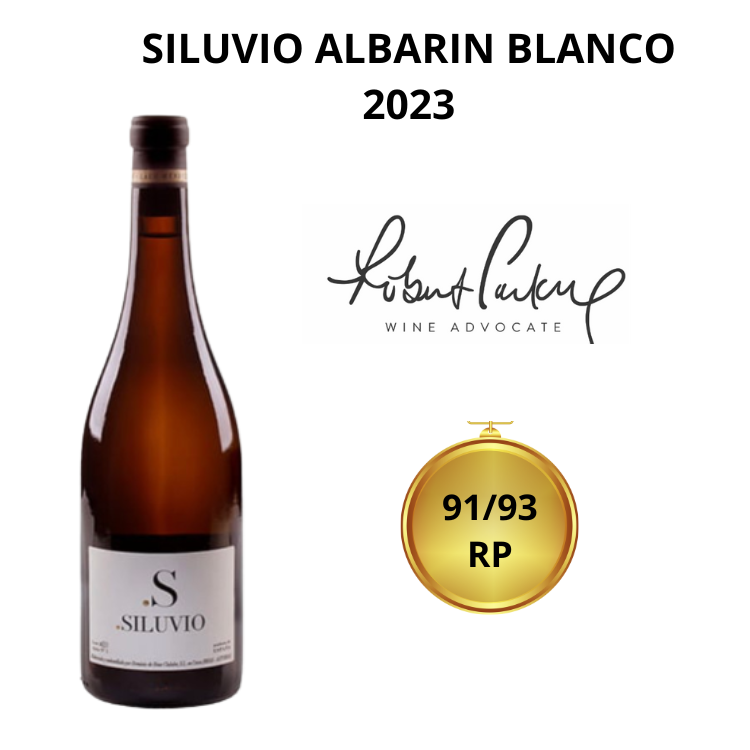
AlbarinWhite2023
Varieties
100% Albarin Blanco
Breeding
45% of the wine rested for twelve months in French oak barrels of 225 and 500 liters. Batonage once a week for eight weeks, 10% rested twelve months in cement spheres and the remaining 45% rested twelve months in stainless steel tanks with its lees.
Prepared by
Dynamic selection table, maceration for 60 minutes, pneumatic pressing with a specific program, transfer of the must to stainless steel tanks by gravity, controlled alcoholic fermentation at 14-16 ºC, with several racking processes. At each stage, controlled atmosphere and inertization with carbonic snow.
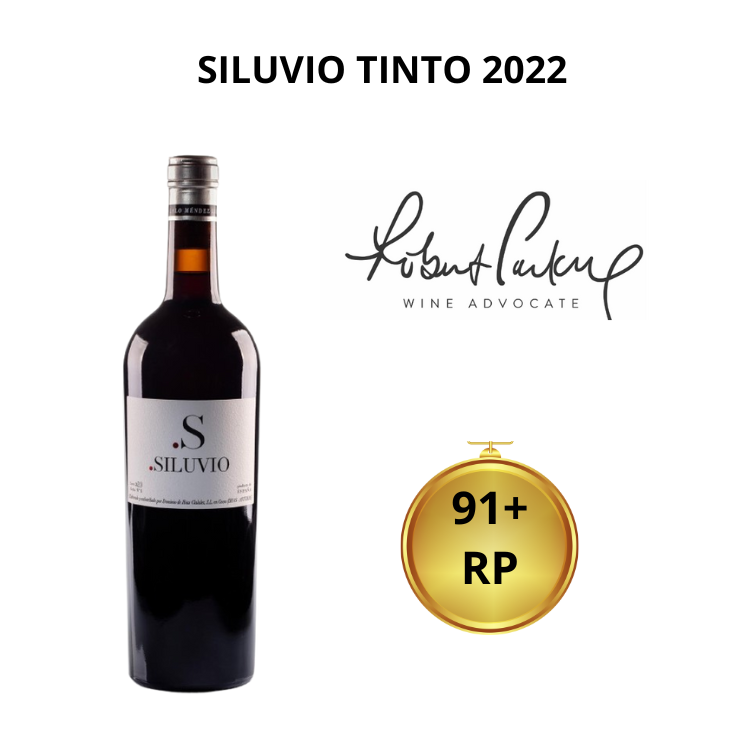
TintoCantabrico2022
Varieties
75% Mencía, 25 % Verdejo Negro, Albarin Tinto y Carrasquin.
Breeding
65% of the wine rested for nine months in used 225-liter French oak barrels with its lees.
35% of the wine rested for nine months in stainless steel tanks with its lees.
Prepared by
Dynamic selection table, filling of stainless steel tanks with whole grape paste/semi-fermentation, controlled alcoholic fermentation at 18 ºC, with light pumping-over processes for ten days, with several devatting and racking processes. At each stage, the atmosphere was controlled with carbonic snow.
AlbarinBlanco2022
Varieties
100% Albarin Blanco
Breeding
65% of the wine rested for nine months in used French oak barrels of 225 and 500 liters. Batonage once a week for eight weeks.
35% of the wine rested for nine months in stainless steel tanks with its lees.
Prepared by
Dynamic selection table, maceration for 70 minutes, pneumatic pressing with a specific program, transfer of the must to stainless steel tanks by gravity, controlled alcoholic fermentation at 14-16 ºC, with several racking processes. At each stage, controlled atmosphere and inertization with carbonic snow.
Tinto2021
Varieties
80% Mencía, 20% Verdejo Negro, Albarin Tinto and Carrasquin.
Breeding
35% of the wine rested for nine months in used French oak barrels of 225 liters with its lees.
65% of the wine rested for nine months in stainless steel tanks with its lees.
Prepared by
Dynamic selection table, filling of stainless steel tanks with whole grape paste/semi-fermentation, controlled alcoholic fermentation at 18 ºC, with light pumping-over processes for ten days, with several devatting and racking processes. At each stage, controlled atmosphere with carbonic snow.
White2021
Varieties
100% Albarin White
Breeding
50% of the wine rested for nine months in used French oak barrels of 225 and 500 liters. Batonage once a week for eight weeks.
50% of the wine rested for nine months in stainless steel tanks on its lees.
Prepared by
Dynamic selection table, maceration for two hours, pneumatic pressing with a specific program, transfer of the must to stainless steel tanks by gravity, controlled alcoholic fermentation at 14-16 ºC, with several racking processes. At each stage, controlled atmosphere with carbonic snow.
Cantabrico2020redwine
Varieties
95% Mencia, 5 % (carrasquin, red albarin and black verdejo)
Breeding
25% of the wine rests for 6 months in used 225-liter French oak barrels. Batonage once a week for four weeks.
75% of the wine rested for six months in stainless steel tanks with its lees.
Elaboración
Mesa de selección dinámica, llenado de depósitos de inoxidable por gravedad con uvas enteras/semienteras, fermentación alcohólica controlada a 18 oC, con procesos ligeros de remontados durante diez días, con procesos de descubados y desfangados. En cada etapa, atmosfera controlada con nieve carbónica.
WhiteAlbarin2020
Varieties
100% White Albarin
Breeding
40% of the wine rested for 6 months in used French oak barrels of 225 and 500 liters. Batonage once a week for eight weeks.
60% of the wine rests for six months in stainless steel tanks with its lees without moving it.
Prepared by
Dynamic selection table, maceration for two hours, pneumatic pressing with a specific program, transfer of the must to stainless steel tanks by gravity, controlled alcoholic fermentation at 16 oC, with racking processes. At each stage, controlled atmosphere with carbonic snow.
Siluvio wines are an excellent representation of the terroir of Asturias and are appreciated both locally and internationally for their distinctive character and family history rooted in the Asturian soil.
We use cookies to ensure that we give you the best experience on our website. If you continue to use this site, we will assume that you agree to it.Aceptar